Wabi-sabi, a traditional Japanese aesthetic concept, centers around the acceptance of imperfection and to a certain extent, transience. It appreciates beauty in what’s natural, imperfect, aged, or decaying, encouraging a profound connection to the authentic reality of our surroundings. This philosophy can significantly contribute to wellness in several ways:
- Mindfulness and Presence: Wabi-sabi encourages noticing the beauty in the ordinary and the imperfect. This focus on the present moment can enhance mindfulness, reducing stress and anxiety by grounding individuals in the now.
- Acceptance: By valuing imperfections, whether in objects, ourselves, or others, wabi-sabi fosters acceptance. This acceptance can lead to greater self-compassion and compassion for others, vital components of emotional wellness.
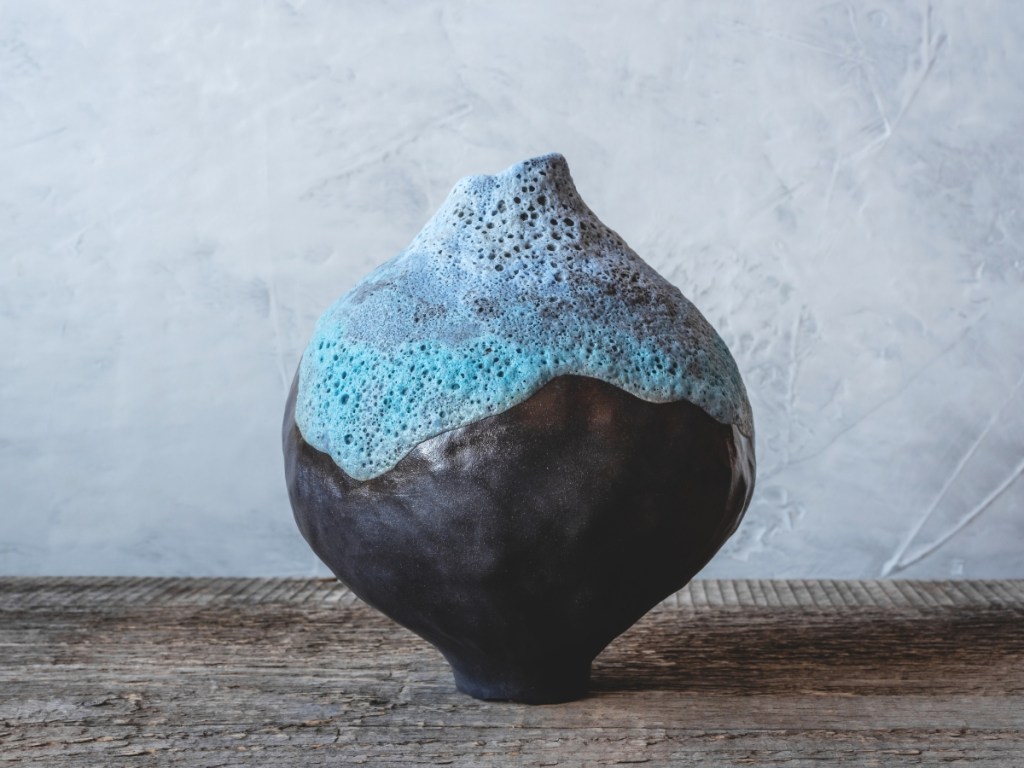
- Simplicity: Wabi-sabi often emphasizes minimalism and simplicity, advocating for a life that’s clutter-free and focused on the essentials. This simplicity can translate into reduced stress levels, as it encourages letting go of unnecessary possessions, worries, and the pursuit of perfection.
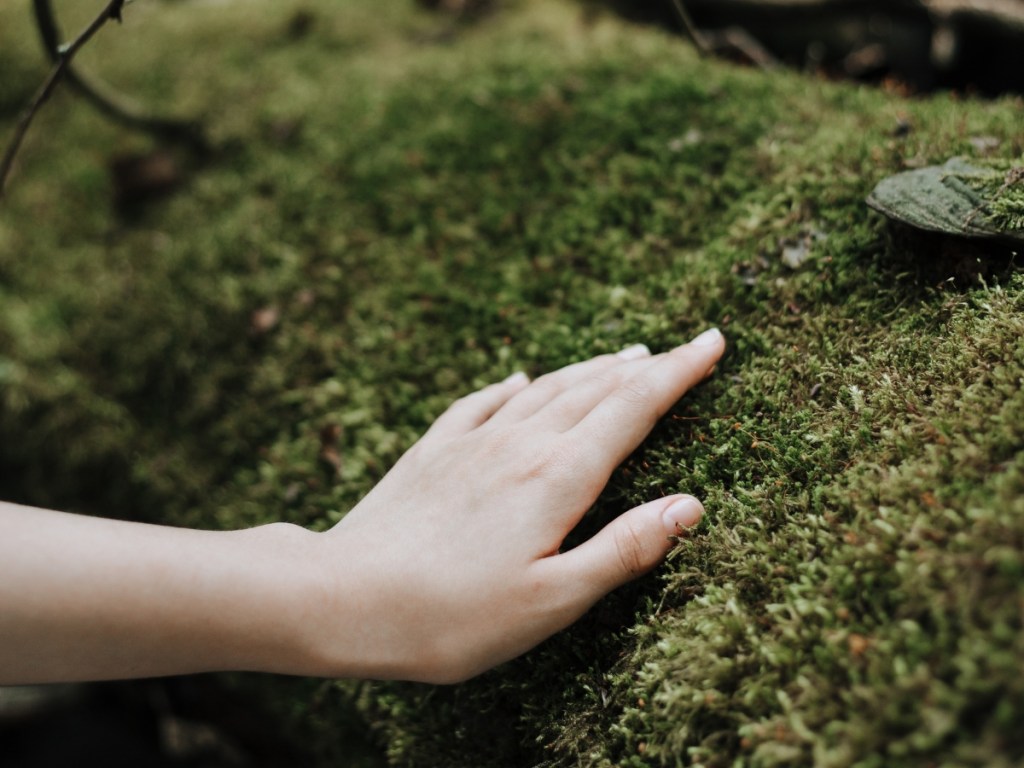
- Connection to Nature: The appreciation for natural materials, textures, and patterns can enhance one’s connection to the environment. This connection is known to have calming effects, improve mood, and increase feelings of happiness.
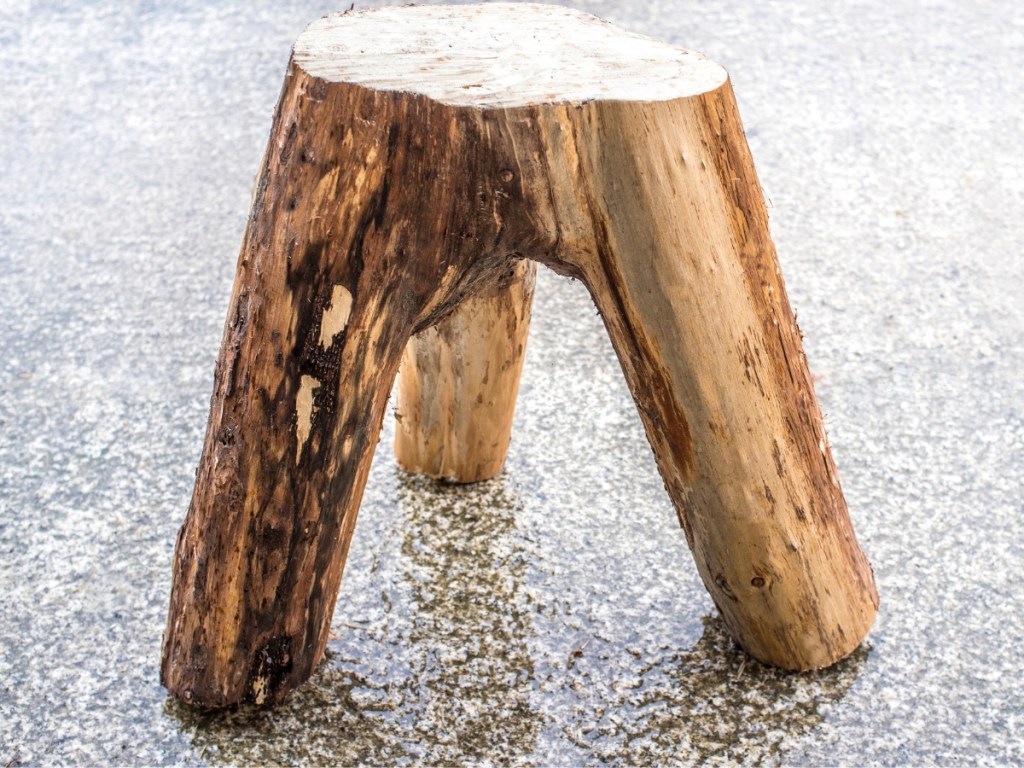
- Resilience: Embracing the beauty of impermanence helps in coping with change and loss, fostering resilience. By accepting that nothing lasts, nothing is finished, and nothing is perfect, individuals can better navigate life’s challenges.
- Sustainable Living: Wabi-sabi’s appreciation for the old, reused, or repurposed can encourage more sustainable living practices. This not only contributes to environmental wellness but also supports personal satisfaction in contributing to a larger cause.

Incorporating wabi-sabi into one’s lifestyle can thus offer a holistic approach to wellness, emphasizing mental and emotional health, connection to the environment, and sustainable living practices. It’s about finding contentment with what is, rather than what could be, fostering a deep sense of peace and wellbeing. Wabi-sabi is more than a Japanese aesthetics principle, it’s a wellbeing philosophy with themes of acceptance and connection. Don’t you find that beautiful in itself?
What imperfect areas of your life can you find content, and therefore, acceptance today?



 Wellness Forest